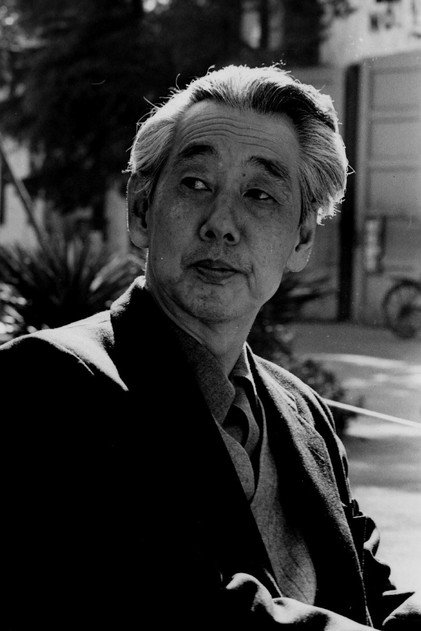
Mikio Naruse
1905–1969 · Tokyo, Japan
Mikio Naruse (August 20, 1905 – July 2, 1969) was a Japanese filmmaker, screenwriter, and producer who directed some 89 films spanning the period 1930 (towards the end of the silent period in Japan) to 1967. Naruse is known for imbuing his films with a bleak and pessimistic outlook. He made primarily shomin-geki (working-class drama) films with female protagonists, portrayed by actresses such as Hideko Takamine, Kinuyo Tanaka, and Setsuko Hara. Because of his focus on family drama and the intersection of traditional and modern Japanese culture, his films are frequently compared with the works of Yasujirō Ozu. His reputation is just behind Akira Kurosawa, Kenji Mizoguchi, and Ozu in Japan and internationally; his work remains less well known outside Japan than theirs. Akira Kurosawa called Naruse's style of melodrama, "like a great river with a calm surface and a raging current in its depths". Description above from the Wikipedia article Mikio Naruse, licensed under CC-BY-SA, full list of contributors on Wikipedia.
Born 20 Aug 1905 · Died 2 Jul 1969
Directed 16
Two in the Shadow
1967
Director
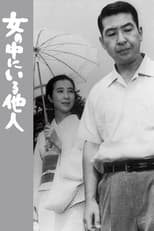
The Stranger Within a Woman
1966
Director
The Lovelorn Geisha
1960
Director
When a Woman Ascends the Stairs
1960
Director
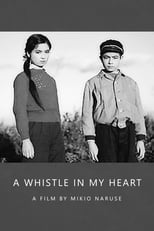
A Whistle in My Heart
1959
Director
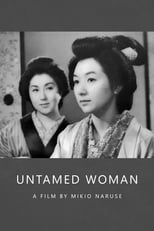
Untamed Woman
1957
Director
Floating Clouds
1955
Director
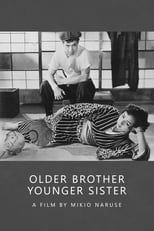
Brother and Sister
1953
Director
Battle of Roses
1950
Director
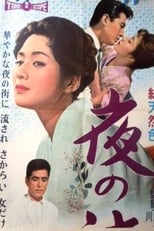
The Angry Street
1950
Director
White Beast
1950
Director
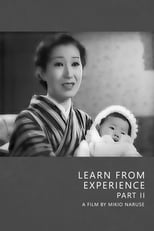
Learn from Experience, Part Two
1937
Director